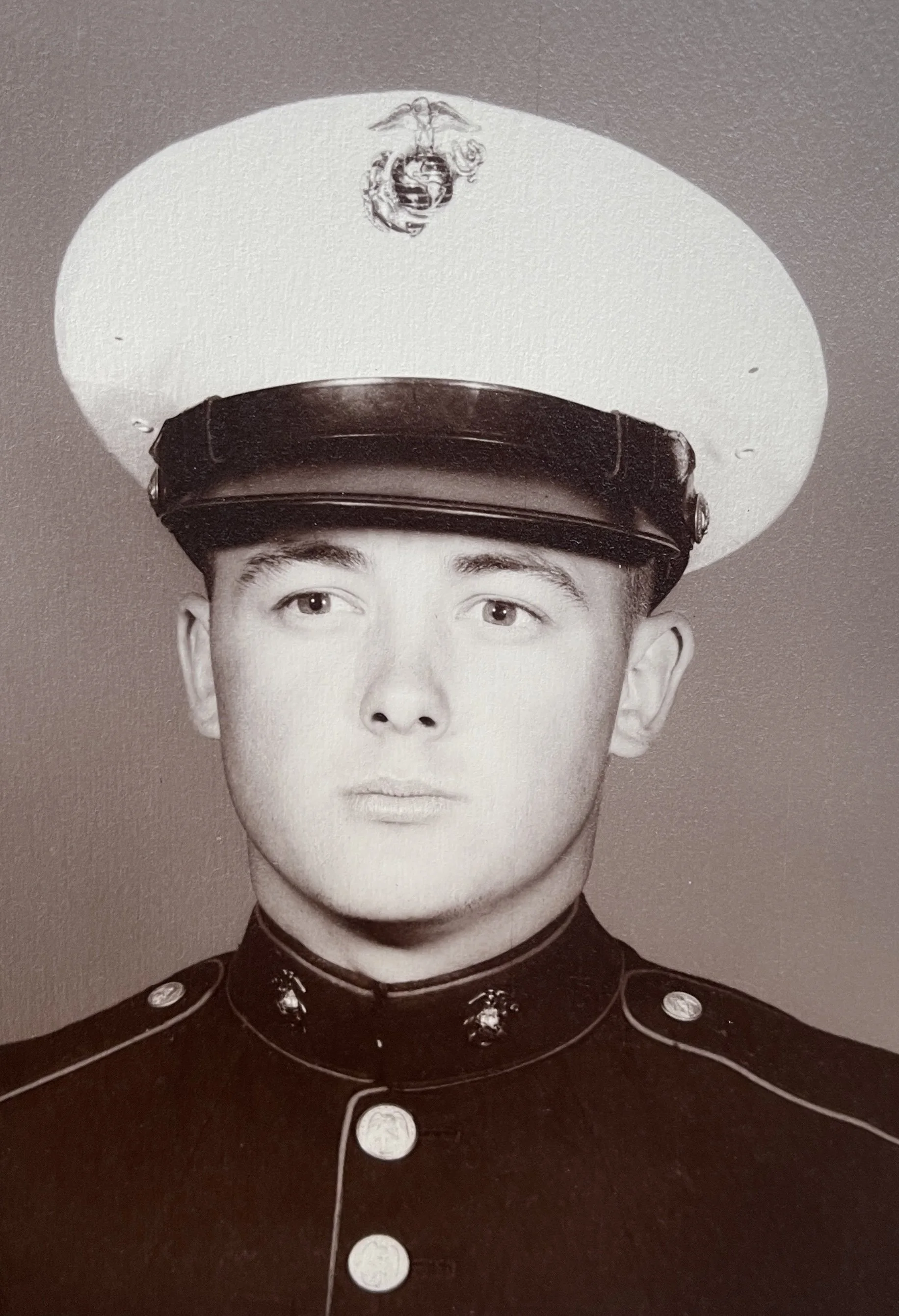
Free Bob

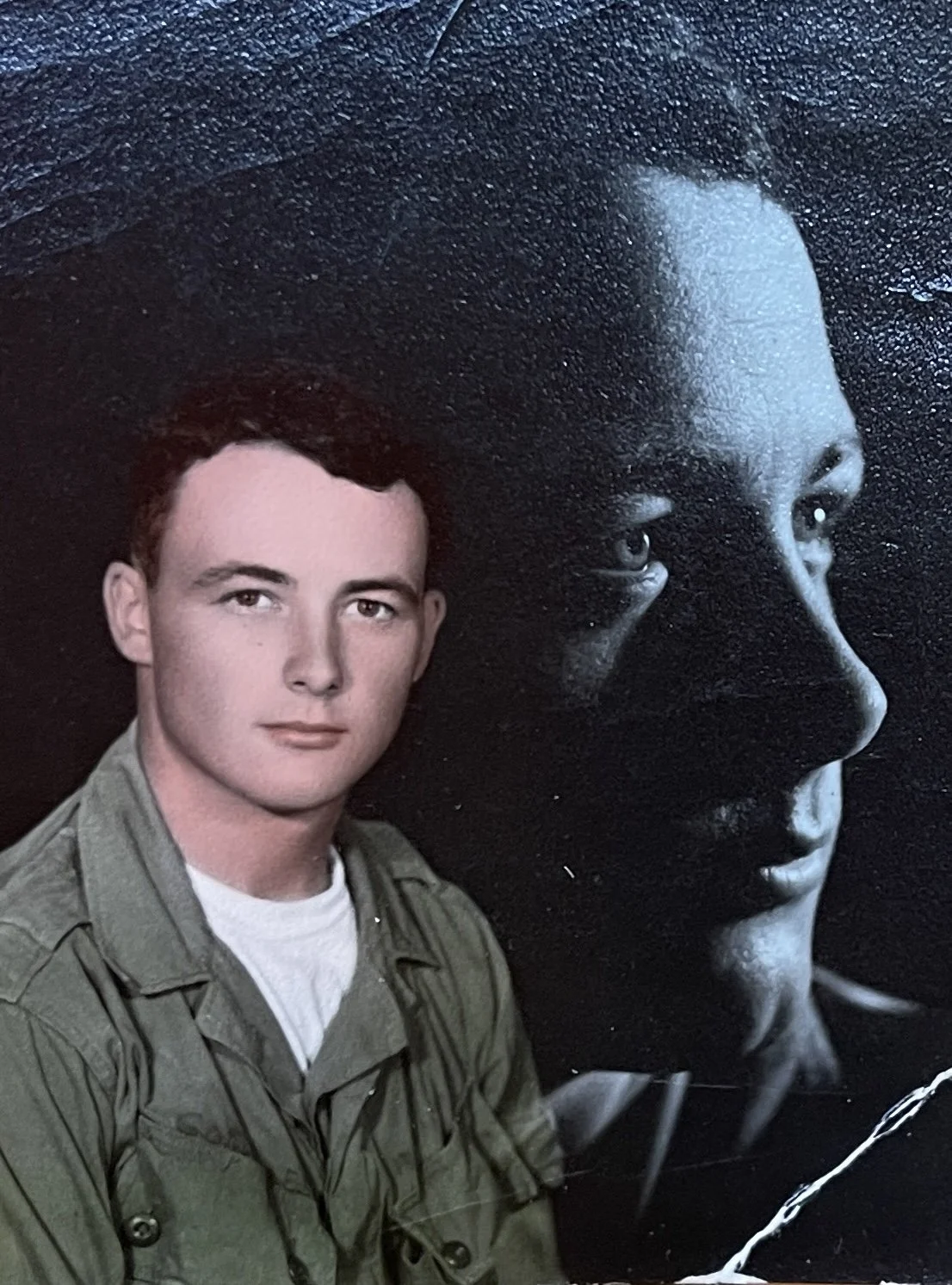
Bob Lowe is a veteran.
He is a United States Marine Corps combat veteran who has spent more than 34 years in a California prison
serving Life Without the Possibility of Parole (LWOP). Today, Bob is a danger to no one. He is an elderly man
with declining health, an exemplary prison record, and a family waiting to care for him. He has already paid an
extraordinary price for a crime committed decades ago. Bob Lowe, the dedicated Marine,
risked his own life to save a prison counselor from being murdered by another
inmate. Compassion, justice, and common sense all draw the same conclusion: Bob Lowe
deserves nothing, but he is a Marine Corps veteran who would like to spend his remaining
years with his family.

Justice is not only measured by punishment, but by the courage to recognize rehabilitation, humanity, and change.
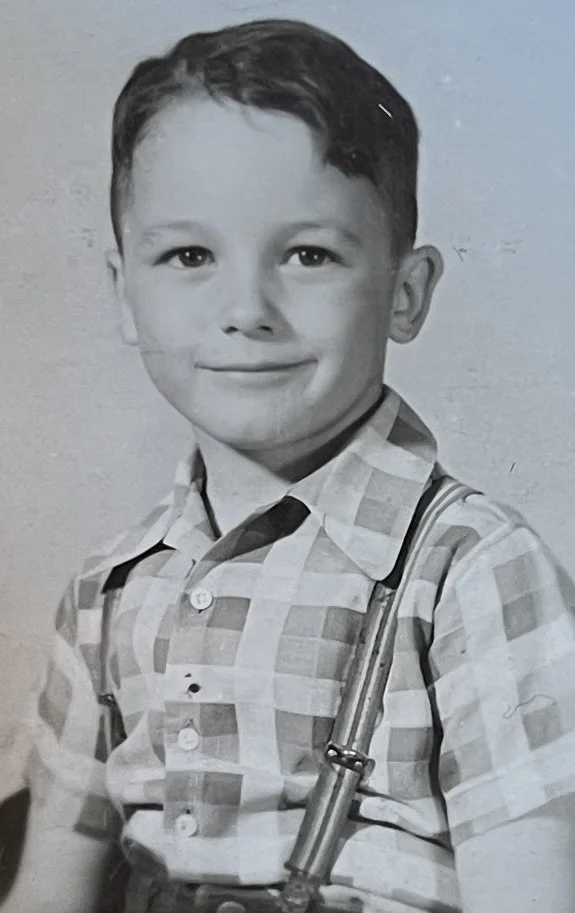

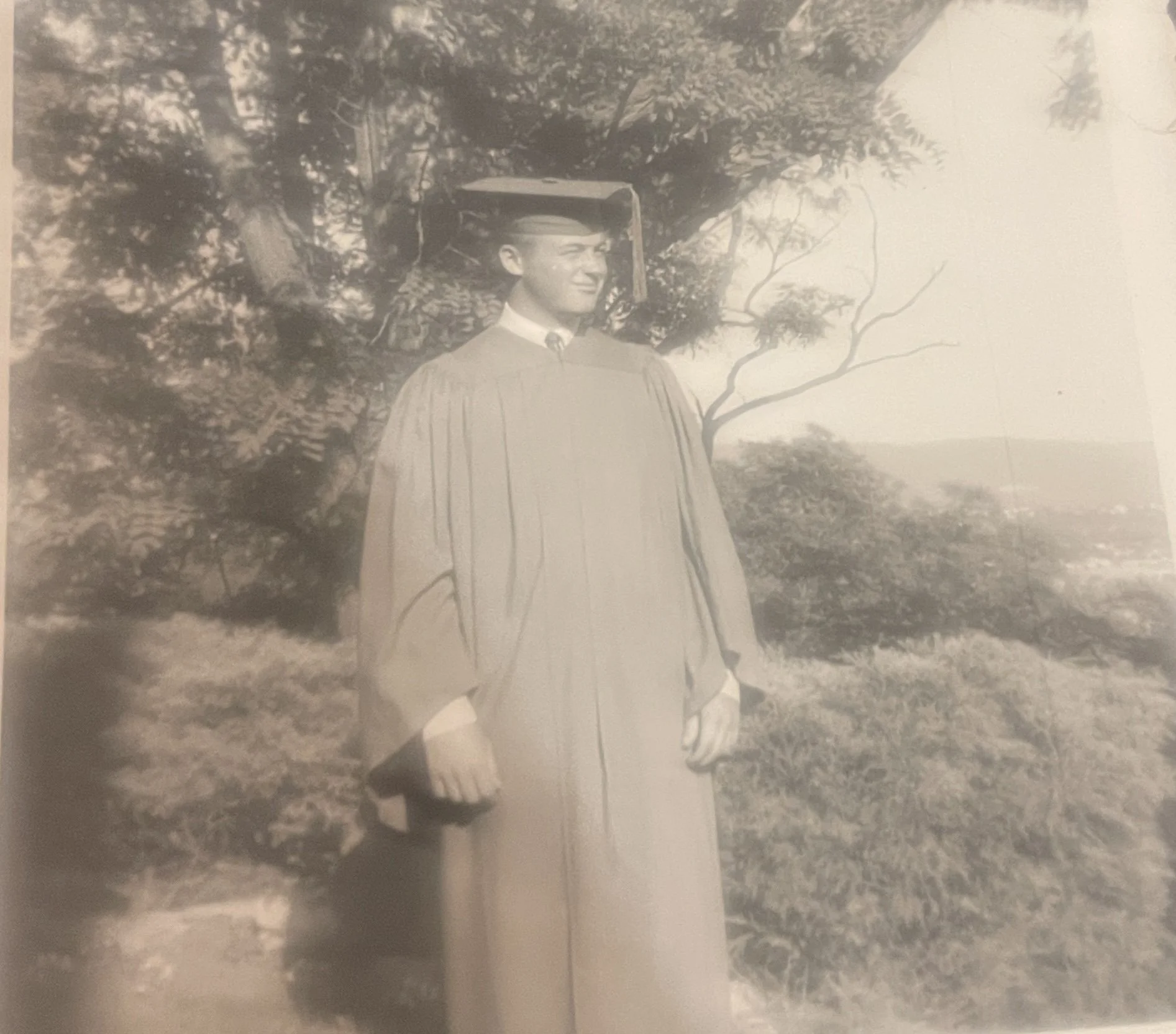


Bob’s Story

A Marine Who Served His Country
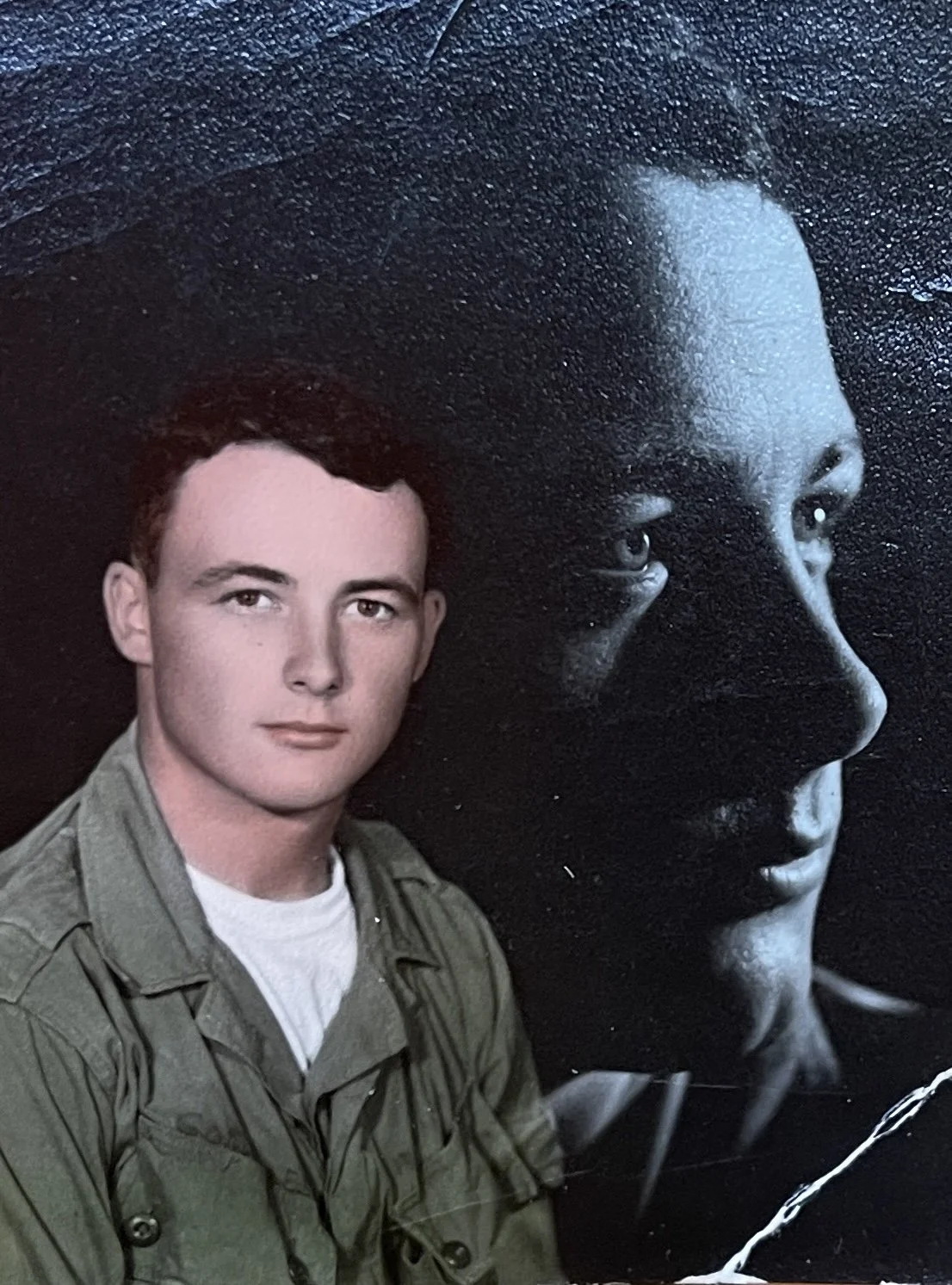
Bob Lowe enlisted in the United States Marine Corps in December of 1965, leaving college and a promising baseball future behind because he felt a deep sense of duty to serve his country. He served as an infantry Marine in Vietnam from 1965 to 1968, where he saw intense combat. Like so many young men sent to war, Bob returned home profoundly changed. He was honorably discharged, decorated for his service, and left to rebuild his life without the support or treatment we now understand combat veterans often need. During his time of service, Bob earned numerous medals and commendations.
The War Came Home With Him
Combat leaves lasting wounds. Bob has since been diagnosed with severe PTSD, a condition now widely recognized among Vietnam veterans who were trained to kill, witnessed extreme violence, and were then expected to seamlessly return to civilian life. In the years following his service, Bob struggled silently, like many veterans of his generation. The system that trained him for war failed to care for him afterward.

A Crime, Accountability, and 34 Years of Remorse
In 1983, Bob made the worst decision of his life. When a fellow Marine asked for help, Bob agreed—out of loyalty ingrained by military service. That decision led to his involvement in the kidnapping and murder of Roy Radin. Bob did not pull the trigger, but in 1991 he was convicted of second-degree murder and kidnapping and sentenced to Life Without the Possibility of Parole. Bob has never denied his responsibility. He has accepted full accountability for his role in the murder and expressed genuine remorse. He has forgiveness from those he harmed. For more than three decades, he has worked every day to atone for that decision.
A Model Prisoner for Over Three Decades
Bob has spent 34 years incarcerated with an exemplary institutional record. He has never been disciplined for violence, drugs, or misconduct—an extraordinary achievement within one of the most challenging prison systems in the country. Over time, he has earned the lowest security classification available for his sentence and has been housed at multiple institutions, including Folsom State Prison.
Throughout his incarceration, Bob has committed himself to serving others. He worked as a teacher’s aide and helped lead GED study programs that enabled dozens of incarcerated individuals to earn their high school diplomas. He also served as a library clerk, captain’s clerk, a member of the Inmate Activity Council, and Vice Chairman of the liaison committee between inmates and staff. Even while incarcerated, Bob consistently chose mentorship, accountability, and service.
Within the confidential portion of Bob’s institutional record is documentation of an act that placed his own safety at risk. Approximately twenty years ago, Bob alerted a supervising officer to a credible plan by another inmate to harm a staff member. An investigation confirmed the threat, and Bob’s warning helped save the life of a prison counselor. This act was formally recorded in his confidential file.
An Elderly Man, Not a Threat
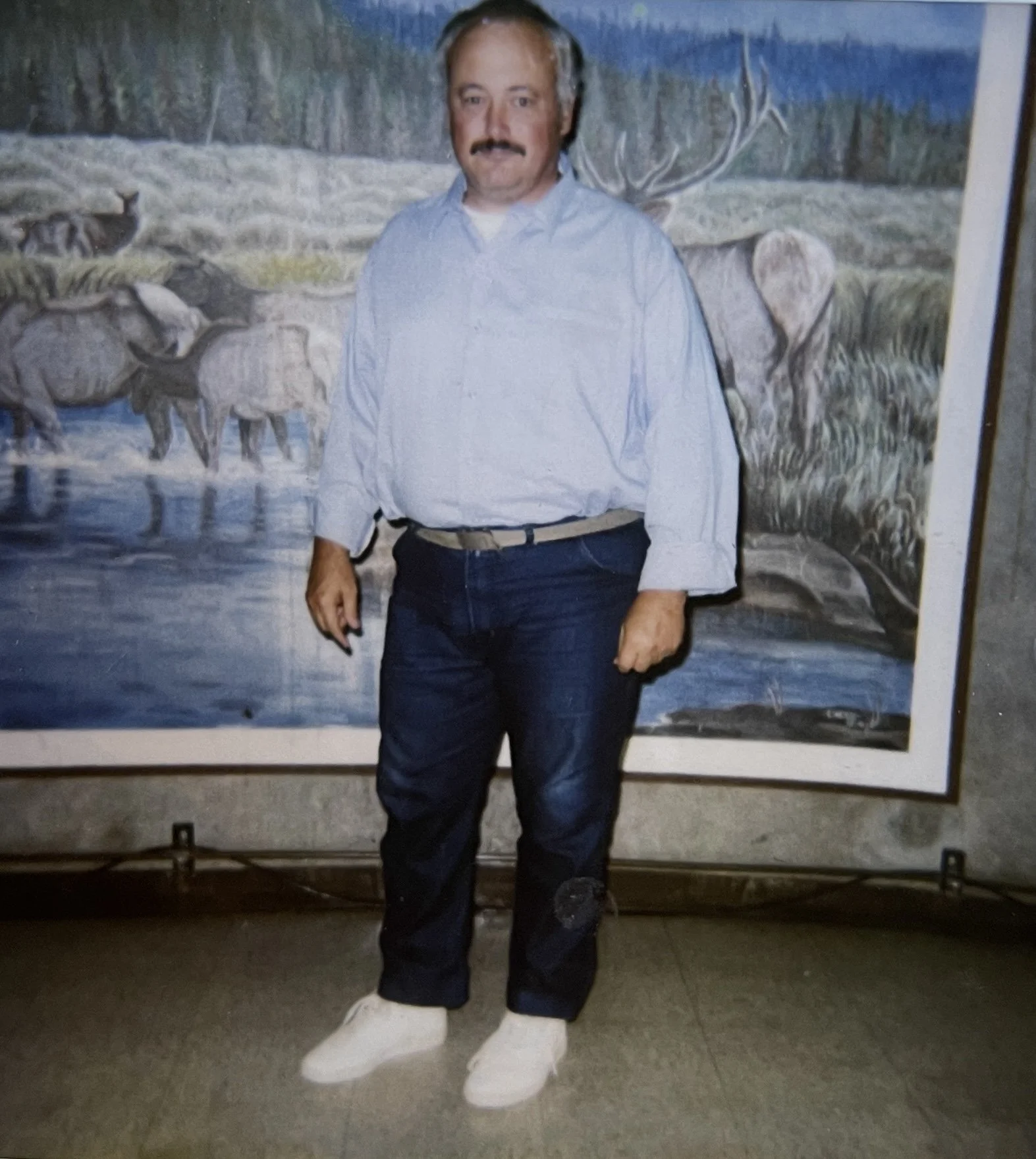
Bob is now almost 80 years old. He poses no risk to public safety. He uses prison-issued mobility aids and faces the physical realities of aging behind bars. Bob had had cancer. Keeping an elderly, nonviolent, rehabilitated man incarcerated until death serves no public safety purpose and comes at great human and financial cost to Bob and society in general.
A Family Waiting to Care for Him
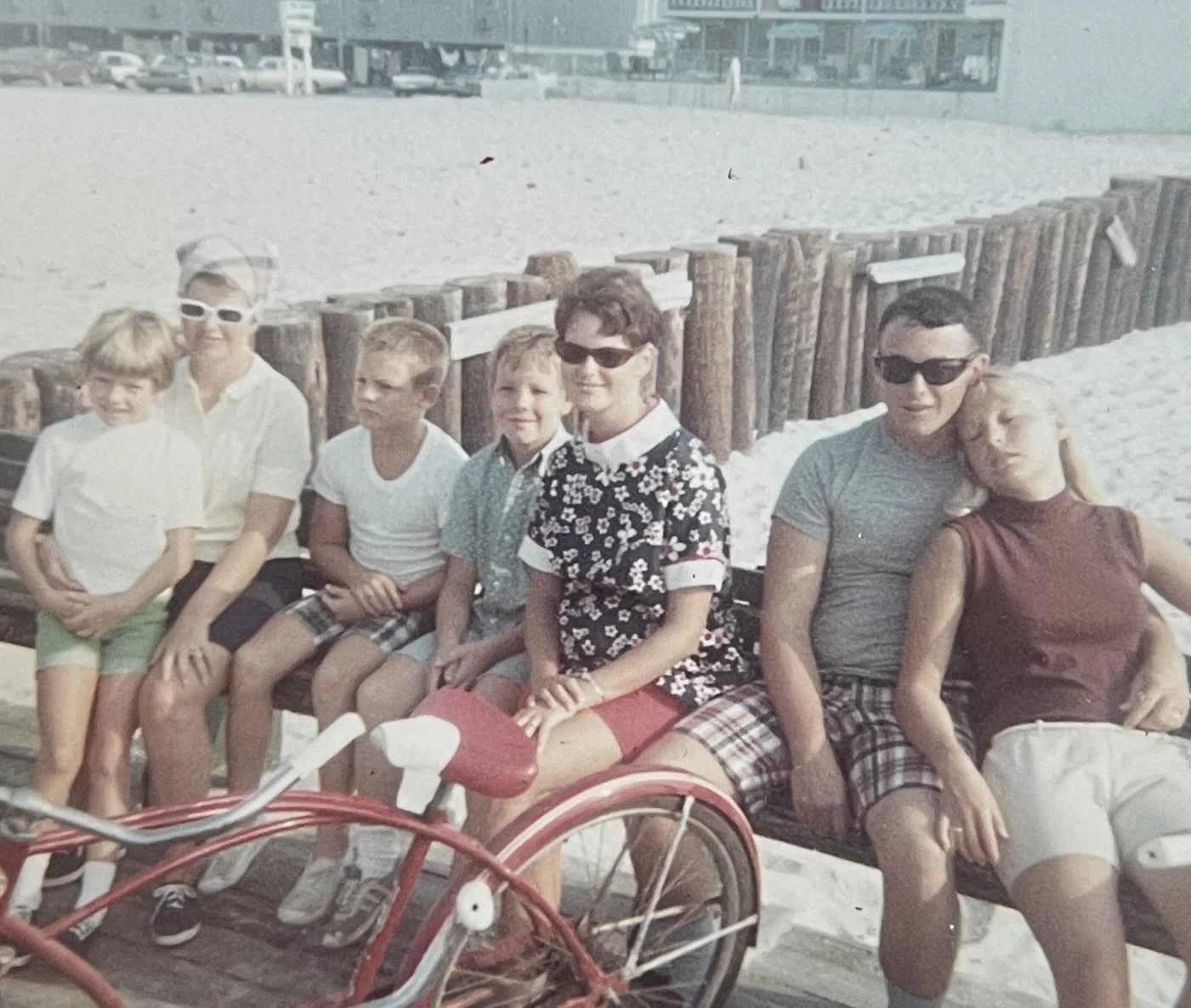
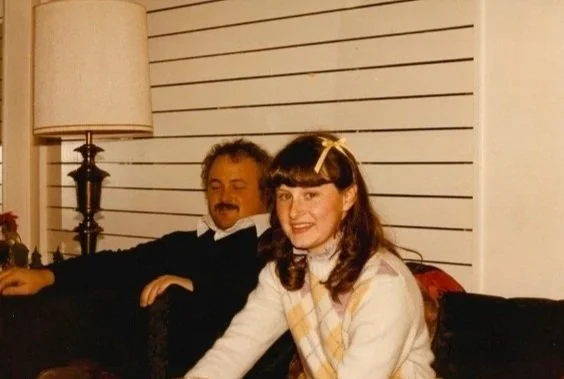
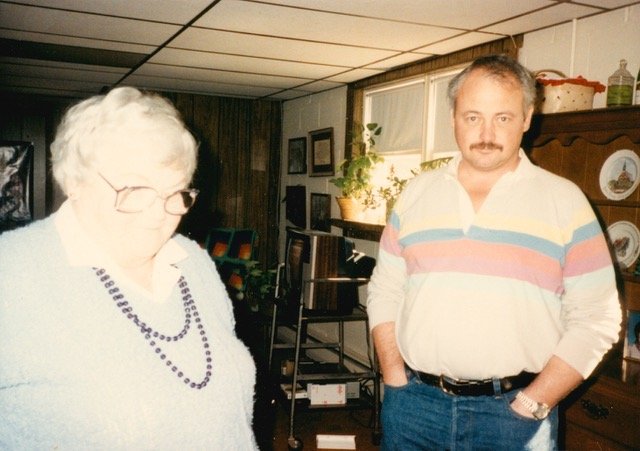
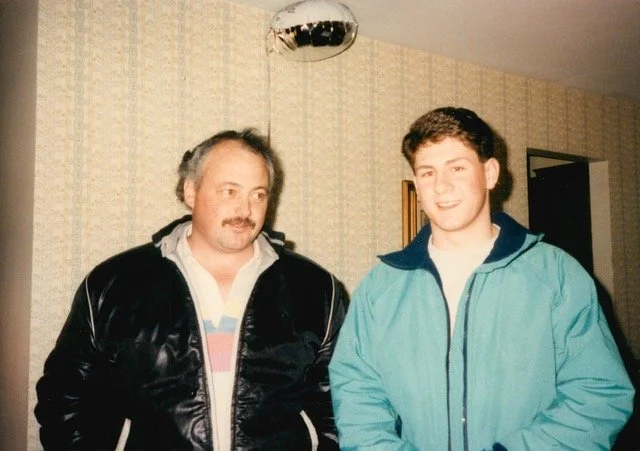
Bob is not alone. He has two elderly sisters, children, nieces, nephews, and grandchildren who love him and are ready to welcome him home. He has a confirmed place to live, a strong family support system, and opportunities to volunteer and give back in meaningful ways. Bob does not seek freedom to escape responsibility—he seeks the chance to live his final years surrounded by family, dignity, and purpose.
Justice Should Allow Mercy
Bob Lowe has served his country, taken responsibility for his crimes, and spent more than three decades proving he is capable of remorse, growth, and service. His sentence is longer than the people who killed the victim, making his continued incarceration deeply unjust. Releasing Bob Lowe would not erase the past. It would acknowledge the full measure of his accountability, his rehabilitation, his age, and his humanity. Please join us in calling for compassion, justice, and mercy for Bob Lowe, a Marine Corps combat veteran who, like all other veterans, just wants to come home.
Frequently Asked Questions
-
Bob Lowe is a nearly 80-year-old United States Marine Corps combat veteran who has spent more than 34 years in a California prison serving a sentence of Life Without the Possibility of Parole. He is now an elderly man with declining health, an exemplary prison record, and a family ready to care for him.
-
In 1991, Bob Lowe was convicted of second-degree murder and kidnapping related to the 1983 killing of Roy Radin.
Bob has never denied responsibility for his role and has expressed genuine remorse for more than three decades. -
No. According to the case record, Bob did not pull the trigger.
However, he has accepted full accountability for his involvement and the consequences of that decision. -
Yes. Bob has acknowledged his role, expressed remorse, and spent more than 30 years working toward accountability, rehabilitation, and service to others while incarcerated.
-
For over three decades, Bob has maintained an exemplary institutional record:
No violence, drugs, or serious misconduct
Served as a teacher’s aide and helped inmates earn GEDs
Worked as a library clerk and captain’s clerk
Participated in inmate leadership and liaison roles
Warned staff about a planned attack, helping save a prison counselor’s life
His record reflects long-term rehabilitation, service, and responsibility.
-
Bob is nearly 80 years old, uses mobility aids, and faces significant age-related health challenges, including a history of cancer.
Given his age, health, and decades of non-violent behavior, he poses no meaningful risk to public safety. -
Bob has served more than 34 years in prison, demonstrated sustained rehabilitation, and is now elderly and medically vulnerable.
Supporters believe continued incarceration serves no public safety purpose and that compassion, accountability, and justice support allowing him to spend his remaining years with family. -
Yes. Bob has sisters, children, nieces, nephews, grandchildren, and a confirmed place to live.
His family is prepared to care for him and support a safe, stable reentry. -
Supporters are asking for compassionate release, clemency, or other legal relief that would allow Bob Lowe to return home after more than three decades of incarceration and demonstrated rehabilitation.
-
See how you can help Bob here.
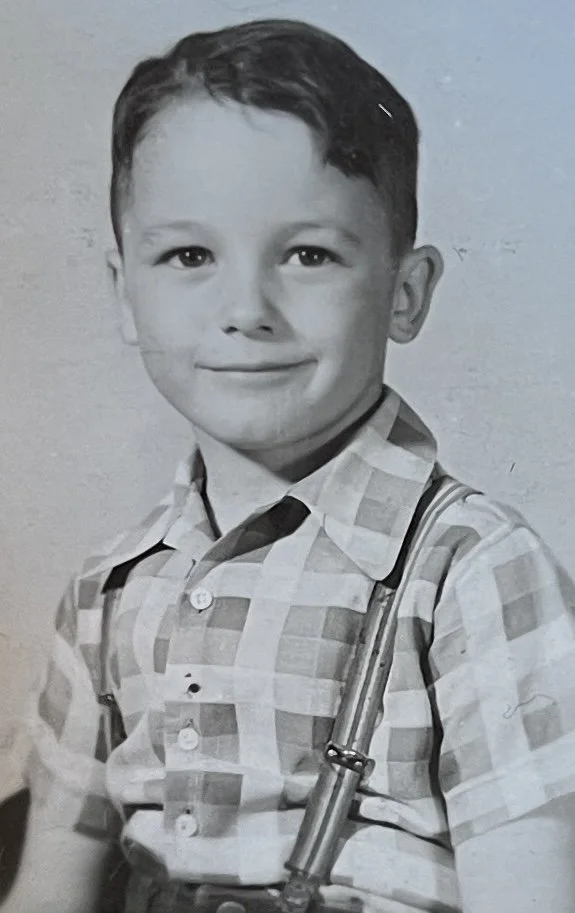
Bob Lowe is an elderly Marine Corps veteran who has spent more than three decades in prison demonstrating accountability, rehabilitation, and service to others.
With your support, compassion and justice can still make it possible for Bob to spend his remaining years surrounded by family, dignity, and care.
There are several meaningful ways you can help.
How to Help Bob
-
Adding your name is one of the most powerful ways to show that the community supports compassionate relief for Bob.
→ Petition coming soon - subscribe below to be notified
After signing, please consider sharing Bob’s story with friends, family, and your community.
Awareness helps decision-makers understand that people believe in accountability and mercy. -
Courteous, thoughtful messages matter.
You can respectfully urge the appropriate authorities to consider compassionate release, clemency, or other legal relief based on:Bob’s age and declining health
His more than 34 years of incarceration
His exemplary institutional record
His demonstrated remorse and rehabilitation
His strong family support and reentry plan
Kind, respectful communication carries the greatest impact.
-
You can help by sharing this website or campaign materials on social media, with veterans’ groups, faith communities, or organizations that support second chances and compassionate justice.
Every share helps Bob’s story reach someone who can make a difference.
-
If opportunities arise to support legal filings, advocacy organizations, or awareness efforts connected to Bob’s case, your encouragement and participation can help sustain the path toward relief.
Updates will be shared as they become available.
-
Bob’s family has waited decades for the chance to welcome him home.
Compassion, hope, and continued attention to his story matter more than words can express.
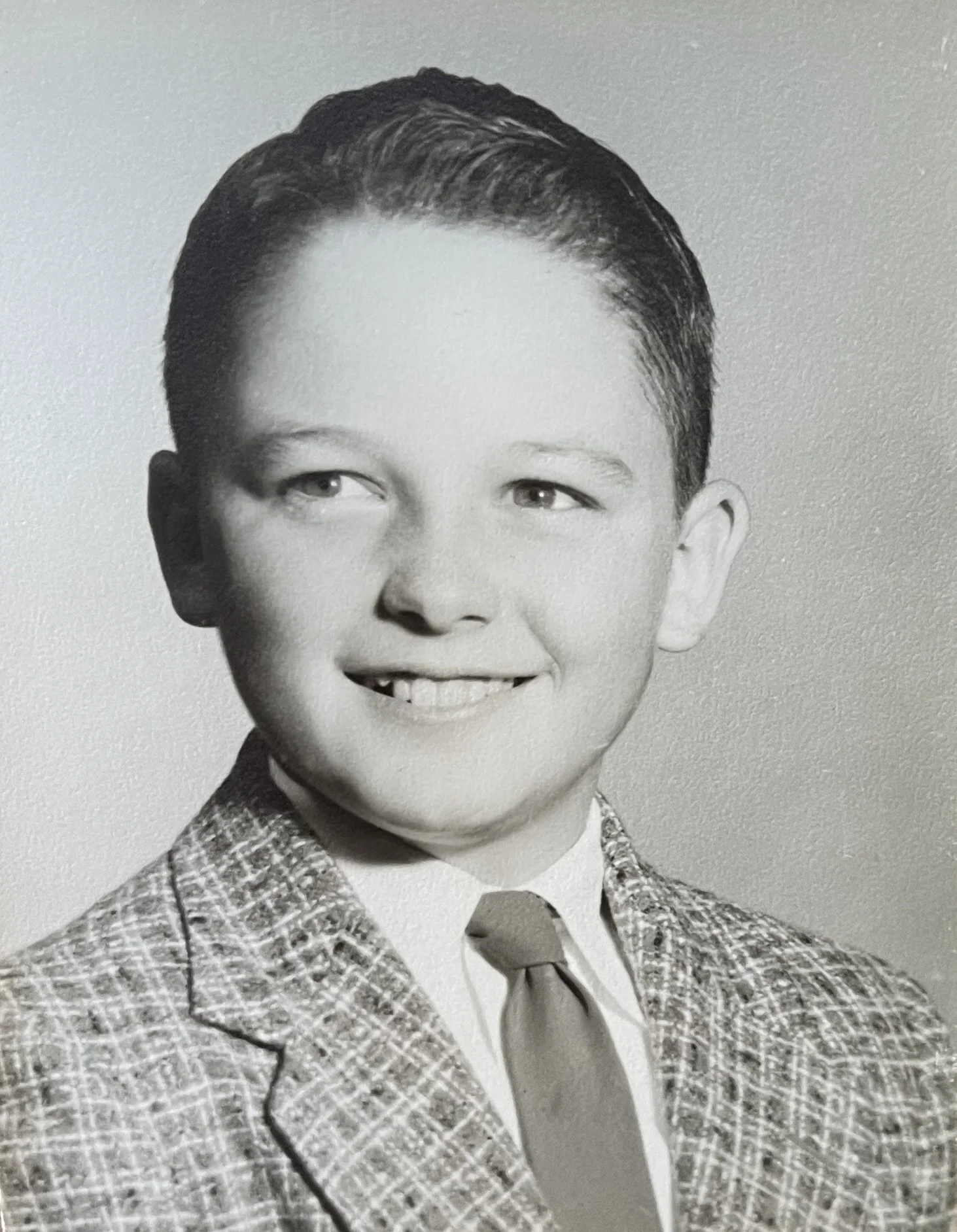
A Final Word
Justice includes accountability.
It can also include mercy, especially for an elderly man who has spent more than three decades proving change is real.
Thank you for taking the time to learn about Bob Lowe and for any support you feel moved to give.
Together, compassion and justice can still bring Bob home.
“To care for him who shall have borne the battle…”
— Abraham Lincoln